When Does a Galveston Jobsite Need a Restroom Trailer?
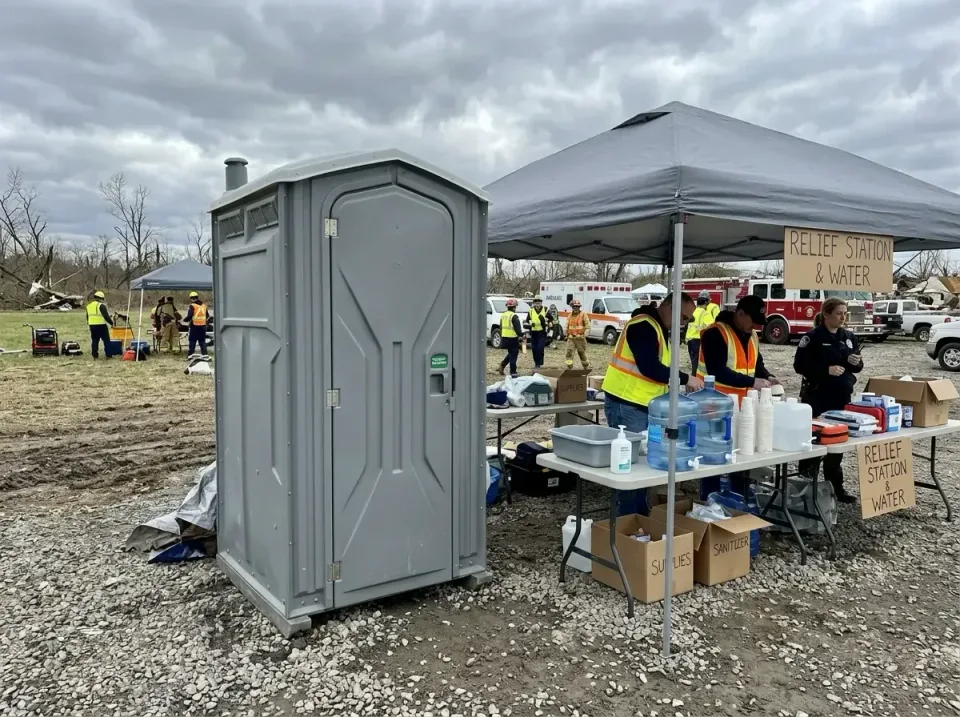
When crews cannot reach a reliable restroom during the workday, a dedicated trailer becomes a practical jobsite need not a finishing touch. Galveston sites should plan for it as soon as existing facilities are unavailable, too distant, or unable to serve the crew consistently.
The Galveston Island Convention Center is a useful reminder that busy properties can have tight access and active schedules; confirm delivery timing and placement before equipment arrives. At a jobsite, heavy rainfall can soften unpaved trailer access routes, so a firm placement pad and a route check matter before dispatch.
High summer humidity increases cooling demand inside restroom trailers, making the power plan part of worker comfort as well as basic setup. Texas Toilet Pros checks the site approach, utilities, and service needs with the crew lead before coordinating delivery.
When does unreliable crew access call for a trailer?
If workers lose time leaving the site to find a restroom, or the available facilities cannot serve the crew reliably, plan a dedicated unit before that pattern becomes routine. OSHA 29 CFR 1926.51 addresses sanitation on construction sites; the site supervisor should account for crew size, work duration, and facility access when planning compliance. A trailer is especially useful during phased work when existing building bathrooms are closed or reserved for other occupants.
We have seen a jobsite plan miss one basic detail: where workers actually enter the work area. A trailer placed near the gate may still be a poor option if crews must cross an active equipment path.
Map the walking route along with the delivery route. Our Construction Restroom Trailer Rental planning starts with the work area, access conditions, and expected service schedule.
What does a Bishop’s Palace-area project teach about access?
Historic properties and constrained work zones need a placement plan that protects both access and daily operations. Near Bishop’s Palace, for example, a construction team should not assume a large towable unit can turn or park wherever a service vehicle can.
Measure the gate opening, check overhead clearance, and identify a firm, level area before booking. A mismatch discovered on delivery day can mean a delayed placement or a revised plan.
The Galveston Arts Center provides another local point of reference for projects in active, occupied areas: delivery timing and pedestrian movement need coordination, not guesswork. At Galveston Cemetery, a jobsite plan should likewise consider the actual route and work zone rather than relying only on an address pin. We confirm site access details with the customer so the trailer’s position works for both workers and service access.
When should you DIY the setup or call a pro?
A site supervisor can handle basic preparation when the placement area is already level, the access route is clear, and the utility plan is confirmed. Call for delivery coordination when the route includes tight turns, uncertain ground, or overhead obstacles, or when shore power and water arrangements are not settled. Those are the points where a simple placement assumption can become a delivery problem.
Near the Galveston Naval Museum, a team planning work in a busy or constrained area should make room for the tow vehicle and the trailer not just the parked unit. For projects near Galveston Island State Park, ground and route conditions deserve an on-site check before dispatch. Our crew can review the approach and coordinate setup details; the customer remains responsible for confirming site permissions and jobsite rules.
How do crew size and service needs shape the plan?
Choose a unit and service schedule around how many people use it, how long the project runs, and whether the work area changes. A small crew on a short task may need less capacity than a larger crew working multiple shifts. Tank capacity and the required service frequency should be discussed before the rental period begins; otherwise, a unit can be placed correctly but still be underserviced for actual use.
Projects near East Beach should treat location and work conditions as part of the access assessment, rather than assuming a beach-adjacent site is straightforward for a delivery vehicle. The same principle applies around the Galveston Island Ferry Terminal, where active access patterns can affect timing and placement.
Texas Toilet Pros coordinates delivery, setup, and service scheduling around the site plan. For related planning, see How to Plan Restroom Trailer Access at Remote Galveston Venues and What Water and Power Does a Restroom Trailer Need at a Texas Event?.
Choose a Trailer That Fits the Galveston Jobsite
A construction crew’s schedule, site access, and utility options determine which restroom arrangement is workable. Compare the unit and power choices before confirming delivery.
| Option | Best for | Key detail |
|---|---|---|
| Two-station trailer | Crews needing more than one fixture at a time | Lower capacity than a four-station unit |
| Four-station trailer | Larger or busier crews | More stations; confirm placement area |
| Shore power | Sites with a suitable utility connection | Uses a site connection rather than onboard generation |
| Generator connection | Sites without a dependable power source | Independent power; confirm operating plan |
| Onboard tanks | Sites without nearby hookups | Flexible placement; capacity is model-specific |
Near the Galveston Cruise Terminal, active vehicle movement is a reason to verify the delivery window and clear route in advance. Gulf breezes can affect outdoor trailer placement, so secure a position that suits the site rather than choosing an exposed edge by default.
Projects around the Galveston Island Historic Pleasure Pier should also account for public activity when coordinating a delivery. The Galveston Railroad Museum is another reminder to plan around the site’s surroundings and access pattern.
Prepare the Jobsite Before Trailer Delivery
A short site review prevents many avoidable delivery delays. At the Port of Galveston, active traffic and vehicle access make a confirmed delivery window especially important; apply the same discipline to your jobsite.
Harborside Drive is a useful local reference for thinking through route coordination, not a substitute for checking your actual approach. Hurricane season runs June through November, so build schedule flexibility into delivery planning during those months.
-
Confirm access: Share the exact delivery address and permitted access hours with the crew coordinating the drop-off.
-
Mark placement: Reserve a level, firm area and keep parked vehicles out of the trailer’s approach and turning space.
-
Check clearance: Measure gate width and overhead obstacles, then confirm the turn can accommodate the delivery vehicle.
-
Arrange utilities: Identify shore power or generator operation and confirm a water hookup or onboard supply plan.
-
Keep service access open: Leave a clear route for scheduled pump-out and pickup.
Kempner Park and Rosenberg Library are local landmarks that underline why a location name alone does not describe site access; verify the specific worksite route. Spring and fall can bring heavy rain and thunderstorms, so recheck ground conditions before delivery rather than assuming the route remains firm.
Plan Galveston Jobsite Restrooms Before Work Starts
A dedicated restroom trailer is worth planning when crew access is unreliable, existing facilities are unavailable, or the worksite’s schedule makes off-site breaks impractical. Check placement, service access, and utilities before delivery; small oversights can hold up the setup.
Near Seawall Boulevard, a site team should consider how wind exposure affects the chosen position, especially at open locations. Projects near the Texas Seaport Museum should likewise account for the actual access route, while the 1877 Tall Ship ELISSA is a local reminder that waterfront settings call for practical placement decisions.
Freeze protection may be needed during cold snaps, even though winter is usually mild. For a site-specific plan, contact Texas Toilet Pros at (844) 402-2049 and review Construction Restroom Trailer Rental.